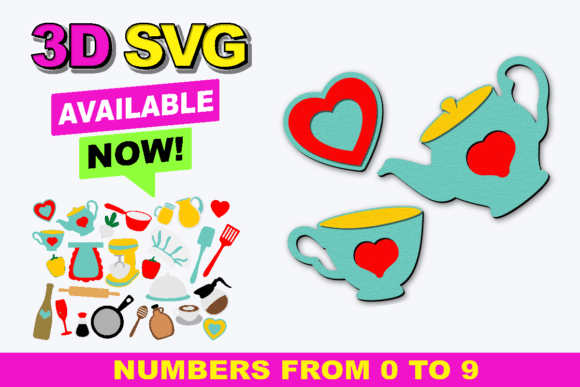
Cooking Elements 3D SVG: Graphics for Crafts
As a graphic designer who has spent the last decade refining brand identities and creating marketing visuals for small businesses, I approach every new graphic design asset with a critical eye. It is not enough for an illustration to simply look cute; it must perform under pressure. Recently, I needed a versatile visual element for a client launching a boutique line of artisanal spice blends and handmade kitchen textiles. The project required a balance of warmth and modern precision. That is when I turned my attention to Cooking Elements 3D SVG. This review explores whether this digital product holds up in a professional workflow, specifically for designers, brand owners, and crafters looking to elevate their visual output.
First Impressions: Mood and Visual Style
The immediate appeal of Cooking Elements 3D SVG lies in its dimensional quality. Unlike flat clipart that can sometimes feel dated or overly simplistic, these assets offer a sense of depth and texture that mimics high-quality sublimation design or embossed packaging. The mood is inviting and tactile, evoking the sensory experience of cooking itself. For a client in the food industry or a handmade business, this emotional connection is vital. The style bridges the gap between playful illustration and sophisticated modern design, making it suitable for a wide range of applications from casual social media graphics to more polished editorial design pieces.
When I first opened the files, I noted the clean vector paths. For any designer working in Adobe Illustrator or CorelDRAW, this is non-negotiable. The fact that the download includes SVG in a zipped folder means the assets are ready for immediate integration into complex layouts. The 3D effect is achieved through layered shading and highlights, which provides a realistic look without the heavy file size associated with high-resolution photography.
Performance in Real Client Projects
In practical application, versatility is key. I tested Cooking Elements 3D SVG across several deliverables for the spice blend launch. Here is how it performed in specific design scenarios:
- Packaging Design: The assets worked exceptionally well on product labels. When placed against a matte kraft paper background in a product mockup, the 3D elements popped, creating a premium feel that justified a higher price point.
- Social Media Graphics: For Instagram posts and Pinterest pins, the illustrations served as excellent hero graphics. They grabbed attention in a crowded feed, improving audience engagement significantly compared to standard stock photography.
- Print-on-Demand Merchandise: I applied the designs to tote bags and aprons. Because the files are vector-based, they scaled perfectly without pixelation, ensuring crisp edges on fabric prints.
- Web Design and Blog Visuals: On the client’s website, these elements broke up text-heavy sections, adding visual interest without distracting from the copy. They functioned as effective decorative accents that reinforced the brand identity.
For Cricut users and those involved in Crafts, the utility is equally strong. The description notes that this 3D SVG collection includes 3 layered files that are easy to use to cut on your silhouette studio and Cricut design space software. This layering is crucial for creating physical depth in vinyl cuts or paper crafts, allowing makers to produce professional-grade sticker designs and home decor items.
Strategic Placement and Visual Hierarchy
Understanding where to place these assets is just as important as knowing how to use them. Cooking Elements 3D SVG shines in large layout areas and as focal points in campaign visuals. They are ideal for hero sections on landing pages or as the central motif on flyers and invitations. However, designers must be cautious. Due to their detailed nature and 3D styling, these graphics can overwhelm a design if used incorrectly.
I advise against using these elements in small sizes where the intricate shading might blur or lose definition. They are not suitable for minimalist branding that relies on extreme simplicity or for professional corporate materials that require a sterile, clean aesthetic. In crowded layouts, the 3D effect can compete with other elements, disrupting the visual hierarchy. Always ensure there is ample white space around the illustration to let it breathe.
Impact on Brand Consistency and Trust
A consistent visual language builds trust. When I integrated Cooking Elements 3D SVG into the client’s broader marketing visuals, it helped unify disparate elements. Whether viewed on a business card, a website banner, or a physical product, the consistent use of these high-quality illustrations signaled professionalism. This consistency enhances brand recognition and emotional appeal, making the brand feel established and trustworthy. For small business branding, investing in cohesive design assets like this can differentiate a startup from amateur competitors in the creative marketplace.
Practical Designer Notes and Technical Checks
Before committing any asset to a final client proof, I run a series of technical checks. Here is my workflow for evaluating Cooking Elements 3D SVG:
- Contrast Testing: I placed the SVG on both light and dark backgrounds. The 3D shading relies on contrast, so I adjusted the opacity of shadow layers when placing them on darker colors to maintain visibility.
- Black and White Preview: I converted the design to grayscale to ensure the form held up without color. This is essential for single-color printing methods like screen printing or vinyl cutting.
- Font Pairing: I tested the illustrations alongside various typefaces. They paired beautifully with a clean sans serif font for a modern look, but also complemented a handwritten font for a rustic, homemade vibe. Avoid pairing them with overly ornate script fonts, which can clash with the detailed nature of the 3D art.
- File Format Inspection: While the primary format is SVG, I checked for any included PNG design files with transparency. If you are using another software that does not support layered SVGs, having a high-resolution PNG backup is invaluable for quick drag-and-drop workflows in Canva templates.
- Licensing Verification: Always confirm the commercial license terms. For client work, ensuring you have the right to use the asset in commercial design projects, including print-on-demand and Etsy products, is critical to avoid legal issues.
Final Verdict for Designers and Makers
Cooking Elements 3D SVG is a robust addition to any designer’s library of design assets. It transcends the typical limitations of basic clipart by offering depth, flexibility, and a polished aesthetic. For those in the Crafts community, particularly Cricut users, the layered structure provides endless possibilities for physical creation. For digital designers, it offers a quick way to add professional flair to packaging design, logo design concepts, and marketing materials.
If you are building a brand identity for a food-related business, a kitchenware shop, or a lifestyle blog, this design bundle delivers value. It saves time on custom illustration while maintaining a unique, high-end look. Just remember to respect the visual weight of the 3D elements, ensuring they support rather than dominate your composition. With careful application, Cooking Elements 3D SVG can significantly enhance the perceived quality of your creative work, helping your clients stand out in a saturated market.