Halloween Coffin 3D SVG: A Designer’s Review
As an embroidery designer who spends more time staring at stitch maps than I do sleeping, I have learned to be skeptical of trendy digital assets. We see thousands of files flood the market every season, promising easy wins for Etsy sellers and craft business owners. However, not every graphic translates well into thread. When I first opened the Halloween Coffin 3D SVG Papercut Laser C, my initial reaction was cautious curiosity. The title suggests a laser-cut origin, which often means sharp, geometric lines that can be tricky to replicate with needle and thread. But after reviewing the layout and considering its potential in real-world applications, I found a versatile asset that, with the right approach, can elevate your holiday embroidery projects significantly.
First Impressions: Mood and Visual Personality
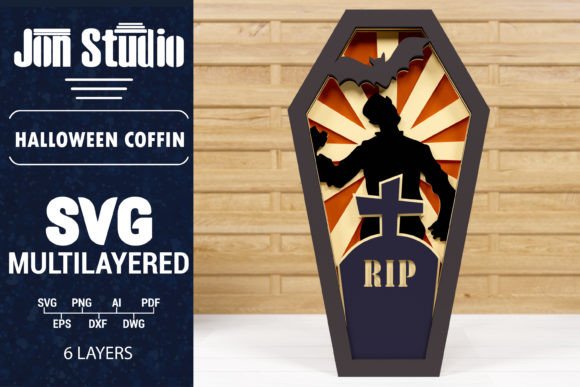
The design exudes a playful yet spooky vibe, perfectly suited for the autumn season. Unlike traditional horror motifs that rely on gore or darkness, this coffin shape leans into the "cute spooky" aesthetic that dominates modern Crafts and home decor. The 3D papercut style implies depth and layering. In a digital Graphics context, this looks stunning. For us embroiderers, it presents a unique challenge: how do we convey that dimensional, layered paper look using flat stitches?
The visual personality is bold. It does not shy away from strong outlines, which is a good sign for visibility on various fabrics. If you are looking to create a personalized gift that stands out on a crowded craft fair table, this design has the immediate recognition factor needed to catch a buyer’s eye. It feels contemporary, moving away from the cluttered, overly detailed designs of the past decade toward cleaner, more iconic shapes.
Real-World Application: From Screen to Stitch
To truly evaluate the Halloween Coffin 3D SVG Papercut Laser C, I imagined it in a live production scenario. Let’s say you are preparing a batch of custom tote bag designs for a local boutique. Tote bags are typically made of canvas or heavy cotton, which provides a stable base for embroidery. Here, the bold lines of the coffin would translate beautifully. I would recommend using a dense fill stitch for the main body of the coffin to give it weight and presence against the textured fabric.
Another excellent application is sweatshirt embroidery. Imagine this design placed on the left chest of a black or deep purple hoodie. The contrast would be striking. Because the design mimics a 3D papercut effect, you could get creative with thread colors. Instead of a flat black, consider using variegated threads or mixing shades of grey and charcoal to simulate shadows and depth. This adds a level of sophistication that turns a simple handmade product into a premium item.
For those interested in applique design, this file is particularly intriguing. Although it is marketed for laser cutting, the distinct layers of a papercut style are perfect for fabric applique. You could cut layers of felt or cotton in varying shades, stack them, and use a running stitch or narrow satin stitch to secure the edges. This method reduces stitch count, speeds up production, and genuinely achieves the 3D look that the digital file promises.
Technical Considerations and Fabric Choices
While the design is visually appealing, we must discuss where it requires careful handling. The description notes that these are multilayer layout files prepared for laser cut and CNC machines. This is a crucial distinction. As an embroiderer, you cannot simply import a laser file into your embroidery software without conversion. You must ensure you have the correct digital embroidery file format compatible with your machine, such as PES, DST, or JEF. If the product listing only provides SVG or DXF, you will need to digitize it yourself or commission a digitizer.
Assuming you have a properly digitized version, pay close attention to stitch density. Papercut styles often feature intricate inner details. On stretchy fabrics like jersey t-shirts or baby embroidery items, high-density stitching can cause puckering. Always use a cut-away stabilizer for garments that will be washed frequently. For caps and curved surfaces, the rigid nature of a coffin shape might distort if the hoop tension is not perfect. I recommend testing the design on scrap fabric first, specifically checking how the corners hold up. Sharp corners in digital graphics often become rounded blobs in embroidery if the underlay is insufficient.
Dark fabrics present another consideration. If you are stitching this on black fabric, you cannot rely on the fabric color to define the shape. You must use contrasting thread colors or incorporate a border. A light grey or silver satin stitch border can help the design pop and maintain its structural integrity visually.
Enhancing Product Value and Brand Consistency
Using a distinctive design like Halloween Coffin 3D SVG Papercut Laser C can significantly impact your brand perception. Customers associate clean, well-executed embroidery with professionalism. When they see a crisp, well-defined coffin motif on a custom apparel piece, they perceive higher value. This allows you to price your small shop product competitively while maintaining healthy margins.
Furthermore, this design fits seamlessly into a broader Halloween collection. It pairs well with other spooky elements like bats, moons, or pumpkins. By creating a cohesive line of design assets, you build brand consistency. Whether you are selling embroidered patches, pillow covers, or kitchen towels, having a unified visual language helps customers recognize your work. It also makes creating printable mockups easier, as the design’s clear silhouette looks great in digital previews for your online store.
Practical Notes for the Embroidery Designer
Before you commit to producing a large batch, here are my top recommendations for working with this specific style:
- Verify File Compatibility: Confirm that you are receiving actual embroidery files, not just vector graphics for cutting machines. If only SVGs are provided, factor in the time and cost of digitizing.
- Test Stitch Density: Run a test stitch-out on similar fabric to your final product. Check for thread breaks in tight corners and adjust tension if necessary.
- Color Contrast: Use high-contrast thread combinations. Since the design relies on shape, poor color choices can make it look muddy.
- Hooping Strategy: Ensure your hoop size accommodates the full design with adequate margin. Do not crowd the edges.
- Licensing Check: Always review the license terms. Ensure you have commercial rights if you plan to sell finished items or use the design in client projects.
In conclusion, the Halloween Coffin 3D SVG Papercut Laser C is a promising addition to your seasonal library. It bridges the gap between modern graphic trends and traditional embroidery techniques. With careful attention to digitization, stabilizer choice, and thread selection, it can become a standout element in your commercial embroidery portfolio. It is not just a graphic; it is a tool for creating memorable, tactile experiences for your customers. Treat it with the technical respect it deserves, and it will reward you with beautiful, sellable results.