Paper Bag Elephant: 3D SVG for Gift Boxes
As a graphic designer who has spent over a decade refining brand identities and packaging solutions for small businesses, I approach every new graphic design asset with a critical eye. It is not enough for an illustration to be cute; it must be functional, scalable, and versatile enough to withstand the rigors of real-world production. Recently, I evaluated the Paper Bag Elephant for a client project involving a boutique children’s party supply line. The goal was to create a cohesive visual language that felt playful yet polished. This review breaks down how this specific asset performs in professional creative design workflows.
First Impressions: Mood and Visual Style
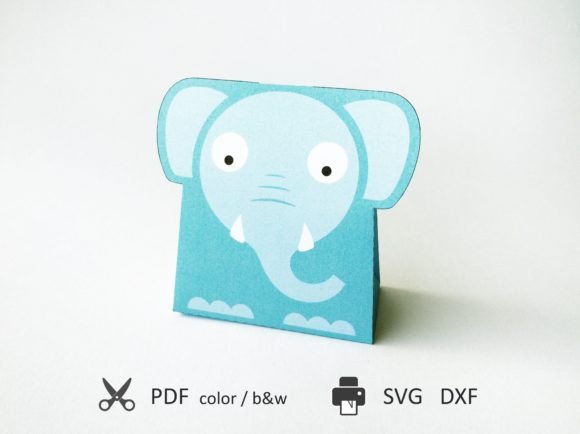
The first thing that strikes you about the Paper Bag Elephant is its inherent charm. It captures a whimsical, lighthearted mood that is difficult to achieve without slipping into cluttered or amateurish territory. The lines are clean, suggesting a modern vector origin, which is crucial for any designer working with SVG design files. The character exudes a friendly demeanor, making it an ideal candidate for projects targeting families, children, or anyone seeking a touch of nostalgia and joy.
In terms of style, it sits comfortably between hand-drawn illustration and digital precision. This hybrid aesthetic allows it to blend seamlessly with both organic, textured backgrounds and clean, minimalist layouts. For a client looking to establish a warm, approachable brand identity, this elephant serves as a strong anchor. It does not scream for attention but rather invites engagement, which is a subtle but powerful distinction in marketing visuals.
Versatility in Real-World Client Projects
The true test of any digital product is its adaptability. I tested the Paper Bag Elephant across various mediums to see where it shines. For packaging design, specifically within the realm of Gift Boxes, this asset is a standout. The prompt suggests using it to "create your bag for small gifts with funny animal images," and in practice, this works exceptionally well. The silhouette is distinct enough to remain recognizable even when scaled down for smaller tags or stickers.
Beyond packaging, I explored its use in social media graphics. For Instagram posts or Pinterest pins promoting a seasonal sale or a new product launch, the elephant adds a focal point that breaks up text-heavy layouts. It also performs well in editorial design for blogs or newsletters focused on parenting, DIY crafts, or event planning. When paired with a playful script font or a rounded sans serif font, the overall composition feels balanced and intentional.
For those in the print-on-demand space, this asset offers significant potential. I mocked it up on tote bags, t-shirts, and mugs. The 3D SVG nature of the file means it can be manipulated to add depth or shadow, enhancing its presence on fabric. However, designers should note that for t-shirt design, simplifying the color palette often yields better printing results, especially when using screen printing methods.
Strategic Placement and Visual Hierarchy
Understanding where to place this asset is key to maintaining visual hierarchy. The Paper Bag Elephant works best in large layout areas where it can serve as a hero graphic. It commands space without overwhelming surrounding elements. In product mockups, placing the elephant centrally on a gift bag or box creates an immediate emotional connection with the consumer. It acts as a decorative accent that elevates the perceived value of the item.
However, caution is required in crowded layouts. Because the character has a distinct personality, it can compete with complex backgrounds or dense text blocks. I found that it struggles in low-contrast designs where the background color is too similar to the elephant’s primary tones. In such cases, adding a subtle stroke or drop shadow can help separate the illustration from the background, preserving clarity.
For minimalist branding or corporate materials, this asset may feel out of place. It is inherently playful and informal. Using it in a serious financial report or a high-end luxury brand campaign would likely undermine the intended message of professionalism. It is best reserved for projects that prioritize warmth, fun, and accessibility.
Technical Performance and File Formats
From a technical standpoint, the inclusion of PDF, SVG, and DXF formats is a major advantage. As a designer, I rely heavily on SVG files for their scalability. Whether I am resizing the elephant for a massive banner or a tiny favicon, the edges remain crisp. The DXF format is particularly useful for clients using cutting machines like Cricut or Silhouette, making this a valuable asset for Cricut project enthusiasts and handmade business owners.
I recommend testing the asset in black and white first. This helps identify any potential issues with line weight or detail loss. If the design holds up in monochrome, it will likely perform well in full color. Additionally, always check the transparency if you are working with PNG versions. Clean edges are essential for professional-looking sticker design and sublimation design applications.
When integrating this into a Canva template or other drag-and-drop platforms, ensure that the layers are organized. A well-structured design bundle allows for easy customization of colors and elements. This flexibility is crucial for small business branding, where consistency across different products is vital.
Commercial Viability and Licensing
Before deploying any asset in a client project, confirming the commercial license is non-negotiable. The Paper Bag Elephant is marketed as suitable for commercial use, which opens doors for Etsy product creators and digital sellers. However, always read the specific terms. Some licenses may restrict the number of physical items sold or require attribution.
For web design and digital ads, the lightweight nature of SVG files ensures fast loading times, which is beneficial for SEO and user experience. This makes the asset not just visually appealing but also technically sound for online environments.
Final Verdict for Designers
The Paper Bag Elephant is a robust addition to any designer’s library of design assets. It excels in projects that require a touch of whimsy and warmth, particularly in packaging design, party invitations, and children’s products. Its versatility across different file formats makes it accessible for both digital and physical production workflows.
While it may not suit every brand aesthetic, its strength lies in its ability to evoke joy and engagement. For designers working with creative marketplace trends, this asset aligns well with the current demand for personalized, handmade-feel products. By carefully considering placement, contrast, and licensing, you can leverage this clipart to create memorable and effective design solutions.
In conclusion, if you are looking for a printable design that bridges the gap between professional polish and playful charm, the Paper Bag Elephant is worth considering. It supports the creation of cohesive marketing visuals and enhances the overall impression of your creative design projects. Just remember to test it thoroughly in your specific context to ensure it meets your client’s unique needs.