Reviewing Heart Mandala Alphabet J for Embroidery
As a designer who spends half my life staring at digitized files and the other half watching needles punch through fabric, I have learned to be skeptical of intricate designs. We often see beautiful previews that turn into thread nests on the machine. However, when I first loaded Heart Mandala Alphabet J into my workspace, the immediate impression was one of balanced complexity. This is not just a letter; it is a statement piece that blends geometric precision with organic flow. For those of us in the craft business, finding a design that holds its structural integrity while offering high visual appeal is rare. This review breaks down how this specific asset performs in real-world embroidery projects, from custom apparel to boutique home decor.
First Impressions: Mood and Visual Personality
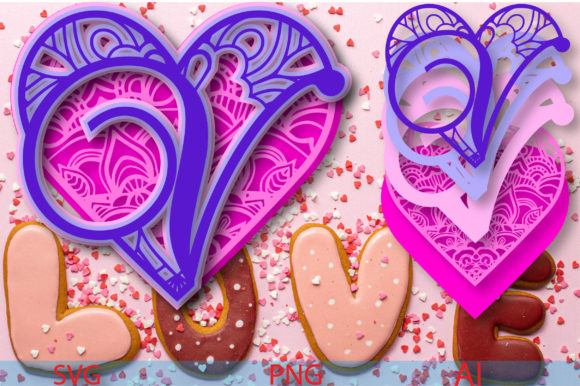
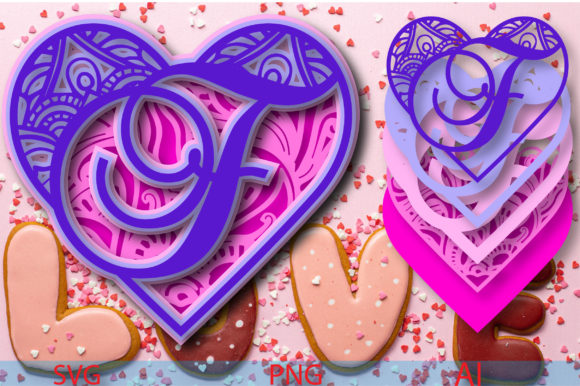
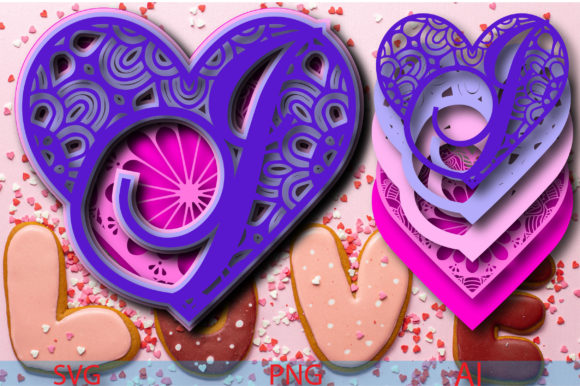
The mood created by Heart Mandala Alphabet J is whimsical yet grounded. The mandala elements suggest mindfulness and care, making it an ideal choice for personalized gifts that carry emotional weight. Visually, the layout is symmetrical, which is crucial for embroidery because asymmetry in complex designs can lead to uneven pull compensation during stitching. The detail level is high, but it feels intentional rather than cluttered. When I look at this as a 3D SVG asset, I appreciate the layering. It suggests depth, which translates beautifully into texture when stitched out with varying thread weights or colors. For Etsy sellers and handmade shop owners, this visual personality screams "premium." It does not look like a generic clip-art addition; it looks like a custom-designed element.
Real-World Application: The Tote Bag Test
To truly evaluate a design, you must imagine it on a product. I recently conceptualized a line of canvas tote bags for a local bookstore. I needed a monogram that was distinctive but not overly masculine or feminine. Heart Mandala Alphabet J fit the bill perfectly. Imagine this design centered on a natural cotton tote. The intricate lines of the mandala would pop against the textured weave of the canvas. Because the design is categorized under Shapes, it has a strong silhouette. This is vital for branding. When a customer sees that bag from three feet away, they recognize the shape before they even read the letter.
Beyond tote bags, consider sweatshirt embroidery. Placing this design on the left chest of a heavyweight fleece creates a sophisticated, boutique look. The density of the mandala provides enough coverage to look substantial without being so dense that it stiffens the fabric uncomfortably. For baby embroidery, such as on a muslin swaddle or a onesie, the soft curves of the heart motif make it approachable and gentle. It moves away from rigid block letters, offering a softer aesthetic that parents love for nursery items and holiday gifts.
Technical Performance and Stitching Clarity
One of the primary concerns with mandala-style designs is stitch clarity. If the lines are too close together, the threads merge, and the detail is lost. With Heart Mandala Alphabet J, the spacing appears well-calculated. In a real embroidery project, this means the difference between a muddy mess and a crisp, professional finish. The design relies on a mix of what would likely be satin stitches for the outlines and fill stitches for the denser mandala sections.
For machine embroidery designers, the promise of "no cutting issue at all" in the description is significant, especially if you are using this for hybrid projects. While my focus is embroidery, many small shop products combine laser-cut felt appliques with stitching. If this file is indeed perfectly designed for laser cut, you could create a layered applique design where the mandala is cut from contrasting fabric and then stitched down. This reduces stitch count and adds physical texture. However, always verify the file formats. The inclusion of SVG, AI, and PNG at 300ppi suggests versatility, but you must ensure your embroidery software can interpret the vector data correctly if you plan to auto-digitize or edit paths.
Where to Use Caution: Fabric and Hoop Constraints
While Heart Mandala Alphabet J is robust, it is not universal. I would advise caution when using this on stretchy fabrics like jersey knits without proper stabilization. The intricate details require a stable base to prevent distortion. If you are stitching on a curved surface, such as a cap, the density might cause puckering if the hoop size is too small or the stabilizer is too light. Always use a cut-away stabilizer for garments that will be washed frequently.
Additionally, consider the scale. If you shrink this design too much for a tiny embroidered patch or a cuff detail, the fine lines of the mandala may break or merge. Test the design on scrap fabric at your intended size before committing to the final product. Dark fabrics present another challenge. If you are stitching this on black navy, you need high-contrast thread colors to ensure the mandala details are visible. A low-contrast combination will render the intricate work invisible, wasting the design's potential.
Enhancing Brand Consistency and Product Value
For creative entrepreneurs, consistency is key. Using a distinct style like Heart Mandala Alphabet J across your product line helps build brand recognition. Whether it is on kitchen towels, pillow covers, or aprons, the consistent use of this mandala alphabet creates a cohesive collection. This professionalism builds customer trust. Buyers are more likely to perceive a product as high-value when the design elements are complex and well-executed. It elevates a simple item into a keepsake.
When creating printable mockups for your online store, the transparent background PNGs included in the download are invaluable. They allow you to place the design on various product photos quickly, giving customers a realistic preview of the finished product. This reduces hesitation and can increase conversion rates for your digital embroidery file sales or physical goods.
Practical Designer Notes for Best Results
Before you start stitching, keep these practical tips in mind:
- Test on Scrap Fabric: Always run a test stitch-out to check for thread breaks or nesting, especially with the finer details of the mandala.
- Check Thread Contrast: Ensure your thread colors contrast sufficiently with the fabric to highlight the design's intricacy.
- Review Stitch Density: If the design feels too stiff after stitching, consider reducing the density in your software if you have editing capabilities, or use a lighter weight thread.
- Confirm Hoop Size: Make sure your hoop is large enough to accommodate the full design without re-hooping, which can cause alignment issues.
- Inspect Small Details: Zoom in on the digital file to ensure there are no overlapping nodes or errors that could confuse your machine.
- Licensing Check: Confirm the license terms for commercial use. While the description implies ease of use for products, always verify if you can sell the finished items or if there are restrictions on mass production.
In conclusion, Heart Mandala Alphabet J is a versatile and visually striking asset for any designer's library. It bridges the gap between decorative art and functional typography. By understanding its strengths and limitations, you can leverage this design to create stunning, high-value handmade products that resonate with customers. Whether you are an experienced embroiderer or a growing Etsy seller, this design offers the professional polish needed to stand out in a crowded market.