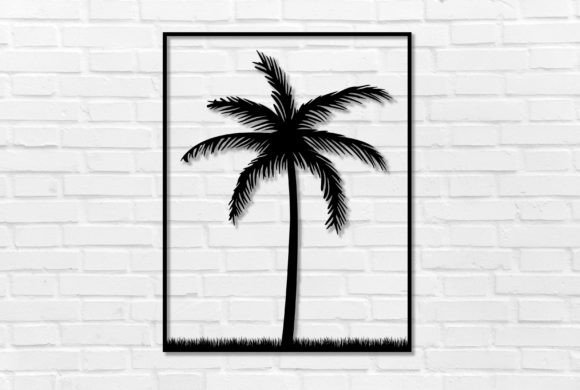
Reviewing the Palm Tree Wall Decor 3D SVG for Embroidery
As a designer who spends more time staring at stitch simulations than I do sleeping, I have learned to approach digital files with a healthy dose of skepticism. We are constantly bombarded with design assets that look pristine on a screen but unravel into a mess of thread breaks and puckering once they hit the fabric. Recently, I took a close look at the Palm Tree Wall Decor Laser Crafts 3d Svg. At first glance, the title suggests a project intended for laser cutting or paper crafts, given the mention of "3D" and "Laser Crafts." However, in our industry, versatility is key. I wanted to determine if this graphic could translate effectively into a high-quality machine embroidery design for real-world applications.
First Impressions: Mood and Visual Personality
The immediate vibe of this palm tree graphic is relaxed, tropical, and structured. The silhouette is clean, which is a promising sign for embroidery. When evaluating a new embroidery file, I look for clear lines and distinct shapes. Complex, muddy details often get lost in translation when converted from vector graphics to stitches. This particular design features strong, recognizable fronds and a sturdy trunk, creating a visual personality that feels both modern and timeless. It does not scream "cheap souvenir"; instead, it hints at boutique-quality decor. For a craft business owner, this mood is essential. You want a design that elevates the perceived value of the finished product, whether it is a high-end tote or a custom nursery item.
Real-World Application: From Screen to Stitch
To test the viability of this design, I imagined a specific client scenario. A local boutique owner approached me about a summer collection featuring custom apparel and home goods. She needed a motif that would work across various items without looking repetitive. I visualized the palm tree centered on a linen tote bag design. The broad leaves would allow for beautiful fill stitch work, creating texture that mimics the natural veins of a palm frond. Alternatively, I pictured it as a chest logo on a heavyweight cotton sweatshirt. In this context, the design’s simplicity becomes its strength. It avoids the bulk that plagues overly complex sweatshirt embroidery, ensuring the garment remains comfortable to wear.
Another practical application is in the realm of baby embroidery. Parents love tropical themes for nursery decor. If adapted correctly, this palm tree could serve as a charming accent on a muslin swaddle or a personalized bib. However, this requires careful adjustment. The original file is described as having "100 Customized Layer" and being in CMYK color mode, which indicates a high level of detail intended for print or layered paper crafts. For embroidery, we must simplify. We cannot stitch 100 layers. We must interpret these layers as color changes or distinct stitch areas. This is where the designer’s eye is crucial. We must decide which details are essential for recognition and which can be omitted to maintain stitch integrity.
Navigating Technical Challenges and Fabric Constraints
While the aesthetic is appealing, we must address the technical realities. The product description lists SVG, EPS, PNG, PDF, and DXF files. It is vital to understand that these are graphics formats, not native embroidery formats like PES or DST. You will need to digitize this design or use auto-digitizing software with caution. Auto-digitizing often fails to account for stitch density and pull compensation. If you simply convert this SVG without manual editing, you risk creating a dense block of stitches that will pucker lightweight fabrics.
Consider the hoop size. A large palm tree design might fit comfortably in a 5x7 or 6x10 hoop, but attempting to shrink it down for a cap or a small embroidered patch requires significant rework. Tiny details, such as the tips of the fronds, may become too fine to stitch reliably. On curved surfaces like baseball caps, dense areas can cause distortion. I recommend using a lighter stitch density and potentially converting some fill areas to satin stitch borders to define the shape without adding excessive bulk. Additionally, when working on stretchy fabrics like jersey knits for t-shirts, a proper stabilizer is non-negotiable. Without it, the tension of the threads will warp the fabric, ruining the clean lines of the palm tree.
Dark fabrics present another challenge. If you are stitching this on a navy or black garment, you must ensure your thread colors have enough contrast. A dark green palm on a black shirt will vanish. You might need to add an underlay or choose vibrant, contrasting threads to make the design pop. Always test your design on scrap fabric first. Check how the running stitch outlines hold up after washing. Will the edges fray? Will the colors bleed? These are questions you must answer before selling a personalized gift or listing a small shop product on Etsy.
Enhancing Brand Consistency and Customer Trust
For Etsy sellers and creative entrepreneurs, consistency is everything. Using a well-chosen design like this palm tree can help establish a cohesive brand identity. If your shop specializes in coastal or tropical themes, this graphic fits seamlessly into your lineup. It enhances visual appeal and encourages buyer engagement. Customers are drawn to products that look professional and thoughtfully designed. A sloppy embroidery job erodes trust, but a crisp, well-executed palm tree signals quality. It suggests that the maker cares about the details, from the choice of fabric texture to the precision of the stitches.
Moreover, this design offers versatility for holiday embroidery and seasonal promotions. Summer sales, vacation-themed gifts, and beach wedding favors all benefit from tropical imagery. By offering this design on various items—pillow covers, tea towels, aprons—you create multiple revenue streams from a single asset. It is a smart move for any commercial embroidery operation looking to maximize the return on their design investments.
Practical Notes for the Working Designer
Before you rush to digitize or purchase this file for production, keep these practical tips in mind:
- Verify Licensing: The description mentions commercial use for printed products, but embroidery rights can differ. Confirm whether the license covers selling physical embroidered items or if it is limited to digital resale.
- Digitize with Care: Since this is provided as a vector/graphic file, do not assume it is ready to stitch. Manual digitizing allows you to control stitch direction, density, and underlay, which is critical for a professional look.
- Test on Multiple Fabrics: What works on denim may fail on silk. Test your finalized embroidery file on the specific materials you plan to sell.
- Simplify for Small Hoops: If adapting for baby clothes or patches, remove unnecessary internal details to prevent thread breaks and ensure clarity.
- Mockup Realistically: Use printable mockup tools to visualize the design on different colored garments. This helps in marketing your design assets effectively to potential customers.
In conclusion, the Palm Tree Wall Decor Laser Crafts 3d Svg holds significant potential for the right designer. It is not a plug-and-play solution for embroidery, but rather a strong foundational graphic. With thoughtful digitizing and attention to fabric constraints, it can become a standout element in your crafts portfolio. Whether you are creating a handmade product for a friend or stocking your online store, this design rewards those who take the time to refine it for the needle and thread.