Valentine Rose Svg: A Designer’s Real-World Review
As an embroidery designer who has spent years digitizing patterns and testing them on everything from delicate baby onesies to heavy canvas tote bags, I approach every new machine embroidery design with a critical eye. It is not enough for a file to look pretty on a screen; it must translate seamlessly into thread, holding its structure and charm after the needle stops moving. Recently, I evaluated the Valentine Rose Svg, a digital asset categorized under Shapes and offered as a 3D SVG package. My goal was to determine if this illustration truly celebrates love in a way that translates well to tangible, handmade products, or if it remains merely a decorative graphic better suited for print than stitch.
First Impressions: Mood and Visual Personality
The first thing that strikes you about the Valentine Rose Svg is its confident simplicity. In the world of embroidery, complexity often leads to frustration, especially when dealing with small hoop sizes or textured fabrics. This design avoids unnecessary clutter, focusing instead on the iconic silhouette of a rose. The mood it creates is romantic yet modern, steering clear of the overly ornate styles that can feel dated on contemporary custom apparel.
Because the product description highlights it as an illustration to celebrate Love, the visual personality leans toward warmth and affection. However, as a reviewer, I look at the lines. Are they clean? Do they allow for smooth satin stitches, or will they require dense fill stitches that might pucker thin fabric? The shape-based nature of this design suggests it relies on strong outlines and solid forms, which is generally a good sign for stitching clarity. It feels like a design that wants to be seen, making it a strong candidate for items where the embroidery is the focal point, such as a personalized gift or a boutique branding element.
Real-World Application: From Screen to Stitch
To truly test the viability of the Valentine Rose Svg, I imagined a specific real-life scenario: preparing a custom embroidered tote bag for a Valentine’s Day market launch. Tote bags are typically made from canvas or cotton duck, fabrics that have a distinct weave and texture. A design with too much fine detail often gets lost in the fabric grain, but a bold shape like this rose stands out beautifully.
I also considered its application on a sweatshirt. Sweatshirt embroidery requires careful handling of stitch density to avoid creating a stiff, uncomfortable patch on the chest. If this embroidery file is optimized correctly, the rose could serve as a striking left-chest logo or a larger back piece. The 3D SVG format implies depth, which is intriguing. In embroidery, we create the illusion of 3D through layering threads and using varied stitch types like satin stitch for petals and running stitch for stems. If the digital file provides clear separation between these elements, it allows the maker to experiment with thread colors to enhance that dimensional look.
For Etsy sellers and small shop owners, versatility is key. This design could easily transition from a holiday embroidery project on a kitchen towel to a year-round bestseller on a cap. The romantic theme makes it perfect for wedding gifts or anniversary presents, while the simple shape ensures it remains elegant rather than kitschy. When I visualize this on a baby item, such as a burp cloth or onesie, the scale becomes crucial. A large, dense rose might be too heavy for delicate knit fabrics, but a scaled-down version could work beautifully as a subtle accent.
Technical Considerations and Fabric Compatibility
While the aesthetic appeal is strong, practical embroidery demands technical scrutiny. One area where the Valentine Rose Svg requires careful attention is fabric texture. On smooth, tightly woven cottons, the design will likely stitch out cleanly. However, on textured fabrics like linen or terry cloth, the edges of the rose need to be sharp. If the digitizing relies heavily on fill stitch without proper underlay, the edges may appear jagged.
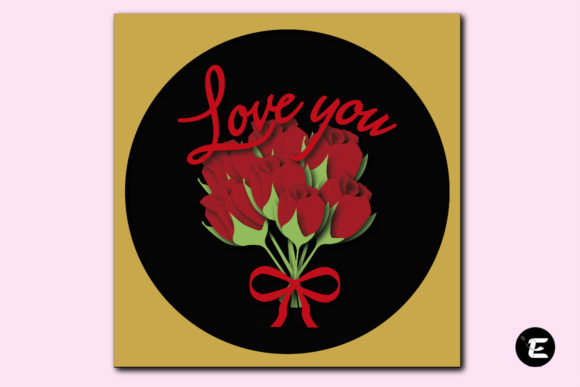
Dark fabric presents another challenge. If you are stitching a red rose on a black hoodie, you lose contrast. In such cases, the design’s success depends on the use of contrasting thread colors or perhaps incorporating an applique design technique where a piece of fabric is cut to the shape of the rose and then stitched down. This reduces stitch count and bulk, making it ideal for garments that need frequent washing.
Stretchy fabrics, such as those used in athletic wear or fitted t-shirts, require robust stabilizer usage. The shape of the rose must be stable enough to withstand the pull of the fabric without distorting. I always advise testing the design on scrap fabric first, mirroring the exact conditions of the final product. This includes using the same stabilizer, hoop size, and thread tension you plan to use for the finished product.
Curved surfaces, like caps, add another layer of difficulty. The center of the cap is a tight curve, and a wide design can warp. If the Valentine Rose Svg is wide, it may need to be resized or re-digitized specifically for cap frames to ensure the petals do not bunch up. Always check whether the design works for both personal and commercial projects, and confirm licensing before selling finished items.
Enhancing Brand Value and Customer Trust
For creative entrepreneurs and handmade shop owners, the quality of your design assets directly impacts your brand consistency. A clean, well-stitched rose conveys professionalism. It tells the customer that you care about the details. When a buyer receives a personalized gift with crisp, clear embroidery, their trust in your craft business grows. This leads to repeat customers and positive reviews, which are vital for any Etsy seller or independent maker.
The visual appeal of the Valentine Rose Svg can significantly boost buyer engagement. In online listings, high-quality printable mockups showing the design on various products help customers visualize the end result. Whether it is a pillow cover for home decor or an apron for a cooking enthusiast, the design must look intentional and polished. Using this design as part of a cohesive collection—perhaps paired with complementary shapes or text—can elevate your small shop product offerings.
Practical Notes for the Embroidery Designer
Before you purchase and start stitching, here are my top recommendations for getting the best results with this file:
- Check the File Formats: The description mentions .PNG, .SVG, .PDF, and .EPS. Note that these are primarily vector and image formats, not native machine embroidery files like .PES or .DST. You will likely need embroidery software to convert the SVG into a stitch file, or the seller may provide a separate link for machine-ready formats. Confirm this before buying.
- Test Stitch Density: If converting from SVG, pay close attention to stitch density. Too dense, and you risk puckering; too sparse, and the fabric shows through.
- Contrast is Key: Test the design in black and white mockups to ensure the shape holds up without color reliance. This helps in choosing thread colors that provide enough contrast against your chosen fabric.
- Stabilizer Selection: Use a cut-away stabilizer for stretchy fabrics and a tear-away for stable woven fabrics. The right stabilizer ensures the rose maintains its shape.
- Commercial Use: Always verify the license terms. Can you use this for commercial embroidery projects? Can you sell the digital embroidery file itself? Clarify these points to protect your business.
In conclusion, the Valentine Rose Svg offers a promising foundation for a variety of embroidery projects. Its strength lies in its recognizable shape and romantic theme, which resonate well with customers seeking personalized and heartfelt items. By paying attention to technical details like fabric choice, stabilizer, and stitch conversion, you can transform this digital asset into a stunning physical product that enhances your craft business and delights your customers.